Magnet selection, pull-force checks, and custom assemblies from one practical team. Talk with a magnet specialist
Permanent magnets and magnetic assemblies on an engineering bench

Permanent magnets, explained plainly

Bunting helps teams choose magnets that fit the job.

From pull-force targets and coating questions to separators, holding assemblies, and OEM parts, our team keeps magnetic material choices practical.

Helpful numbers

Magnetic material support that feels less mysterious.

N NdFeB

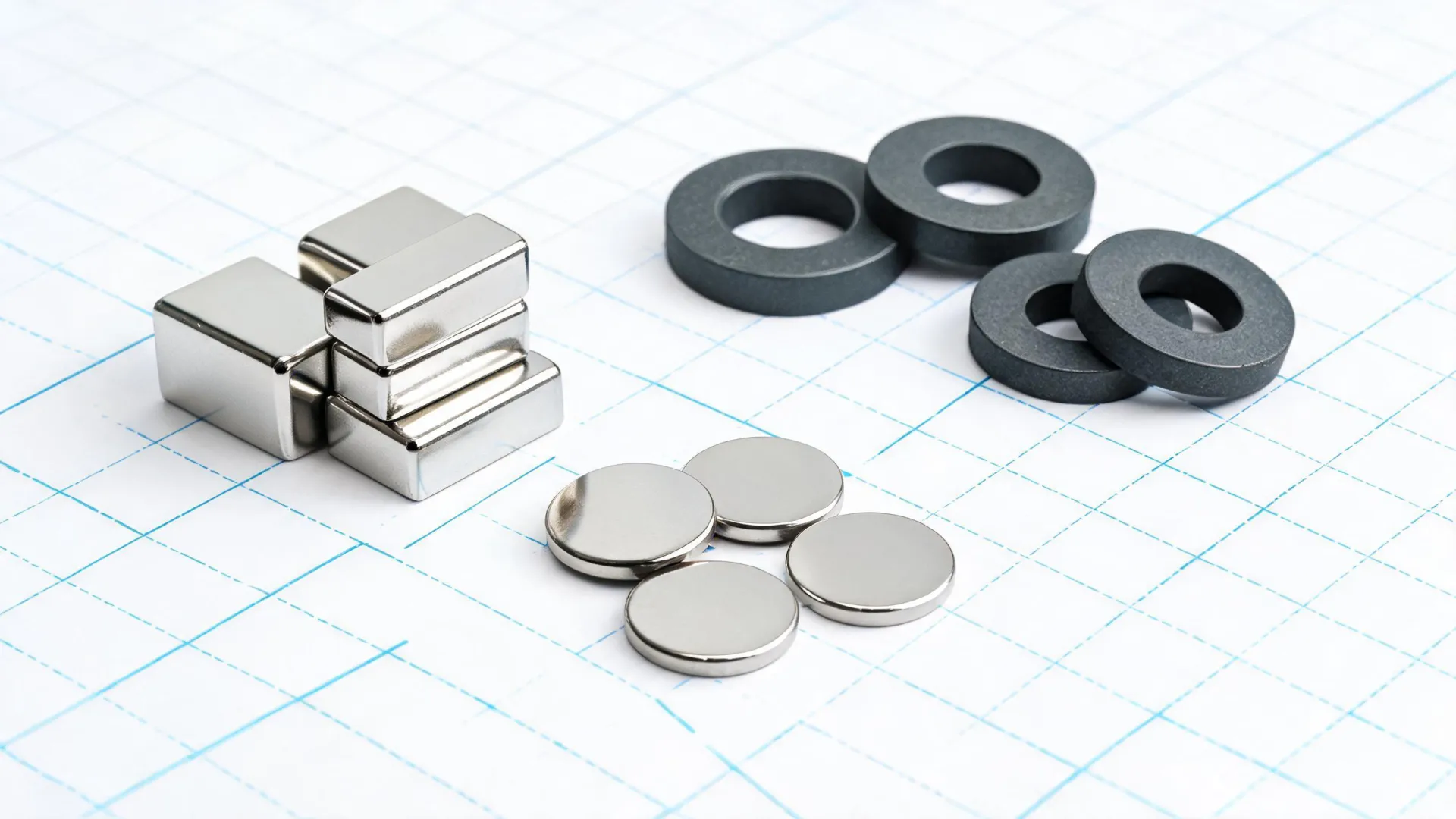
High-energy neodymium grades for compact holding force, sensor targets, and assembly designs.
F Ferrite

Cost-aware ceramic magnet options for fixtures, motors, sweepers, and separation equipment.

S SmCo

Temperature-stable samarium cobalt paths for demanding operating windows and long service lives.

A Assembly

Channel, pot, grate, plate, and rotor-ready support when a bare magnet is not enough.

Selection and preparation

From grade choice to magnetic assembly review.

Request Application Help

Grade Matching

Compare neodymium, ferrite, and SmCo choices against force, cost, and heat exposure.

Pull-Force Review

Translate duty cycle, air gap, target metal, and safety factor into practical magnet sizing.

Coating Advice

Choose nickel, epoxy, zinc, rubber, or stainless housings for corrosion and handling needs.

Assembly Planning

Review housings, fasteners, poles, spacing, and fixtures before the first build reaches the line.

"Bunting makes magnet conversations easier: the team asks about the plant, the part, and the risk before talking about a catalog number."

Maintenance Engineering Lead, packaging equipment integrator
Common questions

Quick answers before a magnet quote.

Tell us the temperature, load, target surface, available space, and exposure conditions. Neodymium gives compact strength, ferrite often helps with cost and corrosion tolerance, and SmCo is useful when heat stability matters.

Yes. Share sketches, sample photos, duty cycle, mounting style, and expected quantity. The first pass usually focuses on magnetic circuit direction, housing material, coating, and fastening.

For separation, holding, and sensing applications, we can help define a trial plan that documents material, speed, contamination risk, cleaning access, and inspection cadence.

Not sure which magnet fits?

Send the application note you already have. Bunting can help turn it into a clear material, coating, and assembly path.

Ask for Guidance