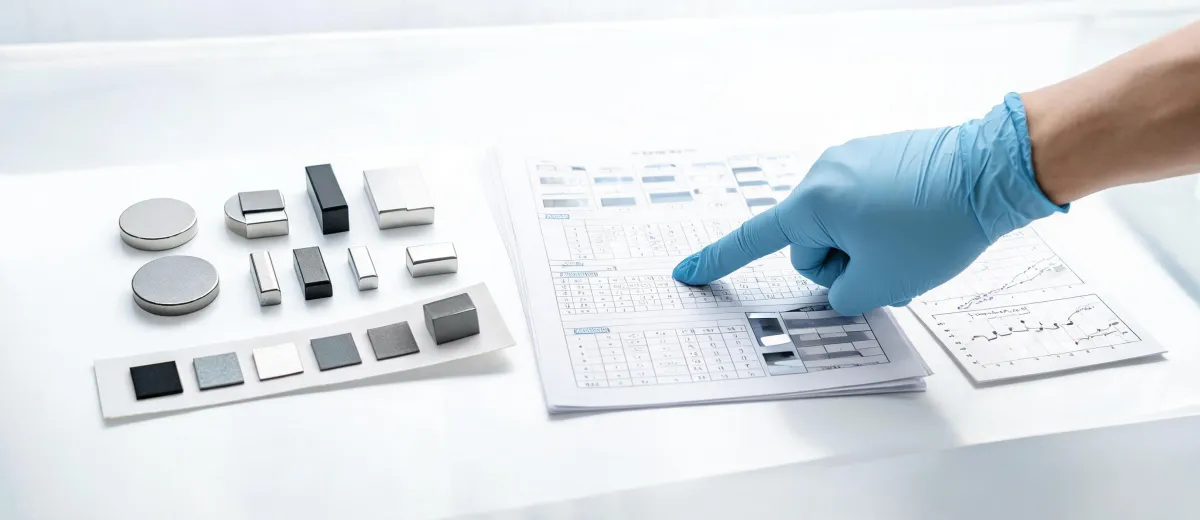
Bunting architectural metals are not one material but a family of alloys built around aluminum and copper. The correct specification follows mechanical, corrosion, and machining demands, not a brand default. If you are specifying for a façade, railing, or bearing, the first decision is which alloy chemistry fits the service load, the salt exposure, and the machining budget. Bronze and brass are standard architectural metals, though many specifiers forget that; they belong in the same conversation as aluminum.
The alloy families in architectural metals
Architectural metals for bunting applications are not a single material but a family of alloys built around aluminum and copper. If you are specifying for a façade, railing, or bearing, the first decision is not which brand to call—it is which alloy chemistry fits the service load, the salt exposure, and the machining budget. The aluminum side covers sheet, plate, and coil in alloys such as 1050, 1060, 1350, 1070, 3003, 5052, and 6061, with sheet gauges typically running from 0.2 mm to 6.0 mm. The copper side includes bronze and brass, which many specifiers forget are standard architectural metals. That oversight matters: bronze and brass offer corrosion and wear behavior that plain steel cannot match, and they do so without the coating maintenance aluminum often requires. Aluminum sheet is prized for light weight and good formability, which is why it dominates signage, lighting trim, decorative panels, and cladding; it is easy to process and holds a clean architectural line. Copper alloys show up where the part must carry a load or survive aggressive atmospheres. The correct specification follows mechanical, corrosion, and machining demands, not a brand default. The sections below explain how these families behave, then give you a repeatable rule for choosing among them.
Within the copper side, the difference between bronze and brass is not cosmetic; it is a change in alloying elements that shifts mechanical behavior and machinability. The ASTM B505 designations used across architectural hardware tell the story. C83600, a leaded gunmetal, carries a machinability rating of 85 and is widely chosen for pressure-tight castings because it resists dezincification. C84400, rated 90, is the pump-industry workhorse for bowl and lineshaft bearings. C86300, a manganese bronze, jumps to exceptional strength and good wearing properties but drops to a machinability rating of 25—you pay for that strength on the machine. C86500, another manganese bronze, balances strength with a rating of 30, while C90700, a phosphor bronze, hits 30 on machinability but brings high strength and corrosion resistance for heavy-duty gears and bearings. What these numbers mean in practice: a high machinability rating lures you toward faster cycles and lower tool wear, but it cannot compensate for a part that fails under load. The selection must start with the service environment and mechanical demand, then let machinability decide among candidates with equivalent strength.
Why alloy chemistry sets performance limits
Alloy chemistry controls performance through the microstructure it creates, and that is why two alloys with the same base metal can behave completely differently. Consider nickel-aluminum bronze, a material used where marine-grade corrosion resistance meets high mechanical demand. A 2020 study in Metals compared cast nickel-aluminum bronze with material fabricated through wire arc additive manufacturing, using a cold metal transfer process. The researchers built square bulk samples from the alloy and tested tensile specimens in two welding directions. The comparison mattered because the additive route changes grain structure and porosity, and those changes shift strength and ductility. For an architectural specifier, the lesson is not about additive manufacturing; it is that heat history and composition define whether a bronze part will hold a bearing surface or crack under cyclic load. You cannot read 'bronze' on a datasheet and assume the properties; the exact alloy and its processing determine the service envelope. That is why the ASTM B505 table in the previous section is only a starting point—it gives you the family norms, but the mechanism behind them is the grain structure formed by the alloying elements.
Machinability, in turn, is not a fixed material property; it is the result of how the alloy's strength, thermal conductivity, and chemical reactivity interact with the cutting tool. Titanium alloys illustrate the extreme: their high strength and low thermal conductivity concentrate heat at the tool edge, and their high chemical reactivity causes rapid tool wear. A 2021 study in Metals tested laser-assisted end milling of Ti-6Al-4V, using a high-power diode laser at 940–980 nm to preheat the workpiece. The preheating softened the material locally, reducing cutting forces and improving surface roughness enough to make the alloy practical to machine. The architectural translation is direct: when you specify a bronze with a machinability rating of 25, like C86300, you are basically choosing a titanium-like machining challenge. You need slower speeds, tougher tooling, or a process adjustment—each of which adds cost. That is why C86300's exceptional strength can be the wrong choice for a decorative railing that only needs moderate load; you would carry the machining penalty without needing the strength. The right call matches the alloy's mechanical requirements to a machinability level you can actually afford.
Bronze vs. brass vs. aluminum: a trade-off map
Choosing between bronze and brass is not about picking the better metal; it is about matching the material to the real performance demands of the part. Brass, a copper-zinc alloy, shines in high-volume precision parts with thin walls or fine cosmetic finishes. It cuts more easily, runs faster cycles, and wears tools less, which is why you see it in valves, fittings, and decorative components. Bronze, primarily copper-tin, earns its place in bearings, bushings, and load-bearing or corrosion-prone components. In CNC machining, the trade-off is visible in the machinability ratings we saw earlier: a brass-type alloy can rate 90 or higher, while a wear-resistant bronze often sits in the 25–30 range. That gap translates into cycle time and tool cost. But if the component has to survive grit, salt, or continuous friction, the bronze's superior wear resistance and durability will outlast the brass part by a wide margin. The practical rule: let the service conditions pick the family, then use machinability to choose among the alloys within that family.
Mapping the trade-offs to real applications starts with the environment and the load. For a marine railing, bare brass is a poor choice because of dezincification—a corrosion process that leaches zinc and leaves a porous, weak copper structure. Bronze, especially alloys like C90700, resists that attack and keeps its strength. For a bearing sleeve, brass's lower wear resistance fails before bronze does, even though the brass machines beautifully. For large architectural trim where weight is the enemy, aluminum wins on density: it is about one-third the density of steel, copper, and brass, so a meter of the same profile weighs a fraction of the bronze equivalent. That weight saving simplifies structural supports and installation. However, aluminum's vulnerability is coating maintenance; bare aluminum will pit in marine air unless anodized, and anodized coatings need periodic inspection and occasional recoating. Bronze, by contrast, needs no coating but carries a premium material cost. The decision grid therefore has three columns: corrosion resistance, wear resistance, and cost. Bronze leads the first two, aluminum leads on weight and initial cost, and brass leads on machinability but falls short in aggressive service.
A decision rule for specifying architectural metals
Here is a repeatable rule for your next specification. Start by asking whether the part is primarily decorative, load-bearing, or in a corrosive environment. If it is decorative trim, cladding, or signage, aluminum is the rational default: it is light, formable, and available in the common alloys 1050, 1060, 3003, 5052, and 6061. When you need corrosion resistance and cannot afford coating maintenance, move to bronze. When the part must bear a heavy load or resist wear—think gears, bearings, and marine hardware—bronze is the safe answer, and you accept the machinability penalty. If the budget is tight and the service is benign, brass offers a bright finish and excellent machinability at a lower cost. Weight is a decisive factor in large sections: aluminum has about one-third the density of steel, copper, and brass, and when conductivity matters, equal-weight aluminum carries 204% of copper's conductivity—an unusual but valid argument for busways and power distribution. That aluminum advantage has been exploited in architecture since at least 1915, when custom-rolled aluminum coil entered the market.
The boundary conditions matter as much as the rule. A machinability-first pick can backfire: choose brass for a bearing sleeve and its lower wear resistance will fail before bronze does—the evidence is full of connectors that overheat and marine fittings that seize. The final verdict: bunting architectural metals are a family, not a default. Aluminum is the weight-optimal choice for cladding and trim when you control the coating cycle. Bronze is the maintenance-free choice for load and corrosion, despite its cost and machining difficulty. Brass is the budget choice for low-stress, high-cosmetics parts. Do not let a datasheet's machinability number decide for you; it is one variable in a system that also includes corrosion, wear, and total installed cost. Specify by service environment first, mechanical load second, and machining cost third—then use the ASTM B505 ratings to differentiate among the bronze candidates.
The rule is service environment first, mechanical load second, machining cost third. Let that order, not a brand name, pick your alloy.