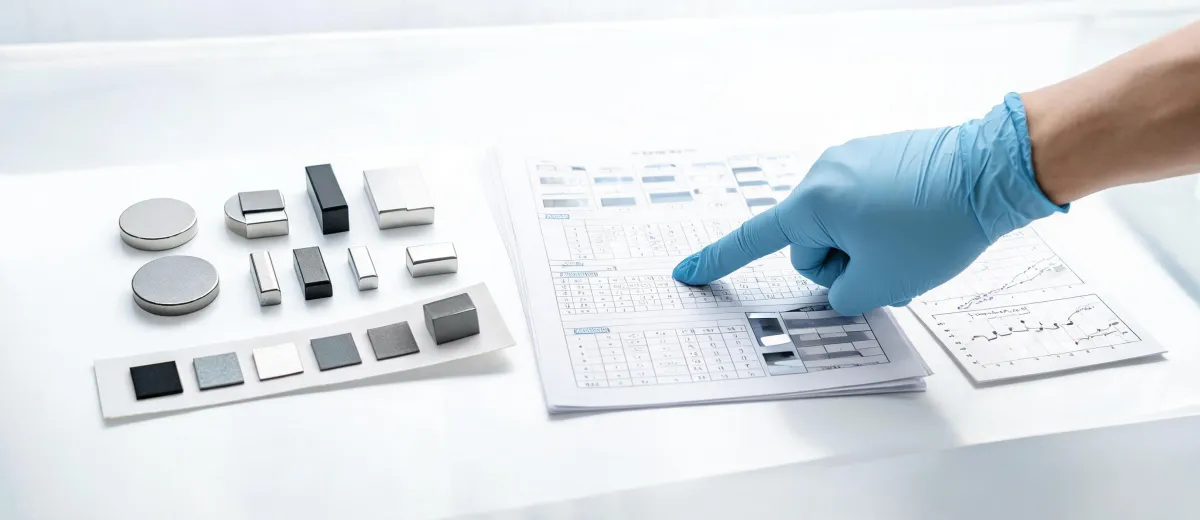
Foil bunting is a quiet workhorse of outdoor parties, and most people buy it the wrong way. They pick a shade that matches the napkins, check the price per roll, and assume thicker means tougher. That instinct is backward. The metal that makes bunting so handy is ordinary aluminum foil, and aluminum's behavior outdoors depends far less on how much metal you hang than on which alloy you have and what was done to its surface. A cheap, soft, uncoated strip can look charming in the package and fail within days under sun and wind. A thinner alloy sheet with a proper anodized finish can shrug off UV and rain for months. If you are budgeting for a single event, that is not critical; if you are decorating a storefront or a garden for weeks, the choice between pure aluminum and an alloy, and between bare and treated, is the whole game.
Foil bunting is not paper—it’s an alloy question
Foil bunting is a quiet workhorse of outdoor parties, and most people buy it the wrong way. They pick a shade that matches the napkins, check the price per roll, and assume thicker means tougher. That instinct is backward. The metal that makes bunting so handy is ordinary aluminum foil, and aluminum's behavior outdoors depends far less on how much metal you hang than on which alloy you have and what was done to its surface. A cheap, soft, uncoated strip can look charming in the package and fail within days under sun and wind. A thinner alloy sheet with a proper anodized finish can shrug off UV and rain for months. If you are budgeting for a single event, that is not critical; if you are decorating a storefront or a garden for weeks, the choice between pure aluminum and an alloy, and between bare and treated, is the whole game.
So why do two rolls of foil bunting feel so different in your hand? Roll one is pure aluminum: soft, ductile, and corrosion-resistant, exactly what the metal does naturally. Roll two is an alloy, a deliberate mix of aluminum with small amounts of other elements, and that changes everything. Pure aluminum is perfectly fine for wrapping sandwiches, but it lacks the stiffness to hold a bunting shape in wind. Alloying elements are added in the molten state, as the aluminum glossary puts it, to give the sheet enough strength to resist folding, creasing, and fatigue. That’s why a seemingly identical strip can snap after a week of breeze while another still snaps back. So when you see 'aluminum foil bunting,' don’t assume all foil behaves alike. The alloy grade, not the word 'foil,' is the first clue to how long it will hold up.
Pure aluminum bends, alloys stand up: where the strength actually comes from
Think of alloying as tuning the metal's personality. Pure aluminum is soft enough that a thin sheet will bend and crease around every gust; the alloying elements add hardness, but they also change how the sheet behaves under repeated stress. The engineering term is fatigue: when a bunting flap bends back and forth thousands of times, pure aluminum work-hardens and tears, while a properly chosen alloy resists that fatigue much longer. The same principle appears in construction-grade aluminum: the Lusail Towers project near Doha used a 5754 alloy, not pure aluminum, precisely because the façade needed to withstand heat and wind without losing shape. You don't need a 4 mm plate for bunting, but the metallurgical idea is the same: the alloy list tells you how the sheet will behave when the weather stops being polite.
Look at what engineers specify when a building has to face a decade of desert sun. The Lusail Plaza Towers in Qatar, designed by Foster + Partners, are clad with Speira aluminium in alloy 5754, cut into triangular panels and anodized. The case summary lists the benefits in deadpan fashion: light, corrosion resistant, uniform surface finish after anodizing. That 'uniform surface finish' isn't vanity; the anodized layer is a controlled oxide coating that seals the metal against moisture, UV, and salt. If a 200-meter tower trusts an anodized alloy to keep its bronze appearance for years, the logic applies to a small bunting strip hanging in your garden. The anodizing step is exactly what separates a banner that stays crisp from one that turns chalky and fades within weeks. You don't need a building-grade panel, but you want the same surface treatment on the thin sheet you buy.
Here’s where a little vocabulary saves you money. The aluminum industry’s own glossary defines an alloy as a combination of two or more metals, formed by adding alloying elements to the parent metal in the molten state. It also lists surface conversion processes like Alocroming, which create a protective chemical layer before painting or insulation. When you see 'anodized' or 'coated' on a bunting product, you’re not reading marketing fluff; you’re reading the description of a real electrochemical process that adds corrosion resistance and keeps dyes from washing out. The flip side is that a package that says only 'aluminum foil' gives you no information about alloy or treatment. That silence is itself a signal. A seller who invested in a proper surface treatment will almost always say so, because it costs money and adds value. If the label is blank on this point, expect the foil to behave like bare pure aluminum.
Thickness is less important than the chemistry on its surface
When you’re weighing a thicker pure-aluminum bunting against a thinner anodized alloy, you’re making the same tradeoff that pipe engineers face. Stainless steel comes in grades that look almost identical: 304 resists atmospheric conditions and mild chemicals; 316 adds 2–3% molybdenum to stand up to chloride-rich environments like sea air. The price of 316 runs 30–40% higher. The parallel to aluminum is direct: a thicker sheet of pure aluminum may feel reassuring, but it won’t fix a fundamental mismatch between the material and the environment. If your bunting will face coastal salt spray, pool chemicals, or weeks of intense UV, the surface treatment and alloy chemistry matter more than gauge. The knowledge that a material's performance is set by composition, not thickness, is the same lesson from the stainless steel spec sheet. Apply it to the thin aluminum triangle hanging outside your shop.
The cost of choosing wrong isn’t theoretical. A chemical processing facility in Shandong Province installed 304 stainless steel cooling headers for a seawater heat exchange system in 2024, saving roughly $12,000 on materials. Within 18 months, the pipe walls suffered complete chloride pitting. The total bill for shutdown, replacement, and hazardous waste disposal came to about $47,000. That’s a 4x swing on a project where the cheaper material looked like a smart economy. Foil bunting is not an industrial heat exchanger, but the logic holds: the few dollars you save on an uncoated, unalloyed strip will be repaid many times over in re-ordering, re-hanging, and the embarrassment of a faded party banner. When a vendor offers 'economy' foil, ask what alloy and what surface treatment you’re actually buying. Sometimes the cheap option is fine for a one-day event; for anything longer, the cost-benefit flips violently.
So what should you actually look for before paying? The aluminum industry’s own terms and definitions document, used by suppliers worldwide, sets out a clear vocabulary for describing sheet and foil products. It distinguishes pure aluminum from alloys, and it defines processes like anodizing and chromating. That means a well-made bunting can be described precisely: '3003 alloy, 0.05 mm, anodized' tells you the composition, gauge, and finish in seven words. A product that says only 'mylar foil bunting' or 'metallic party foil' is not giving you that information because it probably doesn’t have it. Apply this rule: if the package doesn’t name the alloy or the surface treatment, treat it as pure, untempered aluminum for indoor-only use. For outdoor, you want at least one of those facts, and anodized is the golden word.
Fading and tearing are not bad luck; they’re a material report
Fading, curling, and tearing in foil bunting are not random acts of weather. They are symptom patterns that point back to the material. Fading usually means the dye or coating wasn’t fixed to an oxide layer, so UV broke down the pigment. Curling and 'papery' edges happen when pure aluminum work-hardens from constant flexing; the metal gets stiffer in the crease until it tears. That exact sequence is what happens when you choose a material for the wrong environment. The stainless steel facility that saved $12,000 on 304 instead of 316 didn’t see a problem at first; chloride pitting took 18 months to show. Foil bunting is faster: a few weeks of sun and breeze can reveal whether the sheet has the alloy strength to snap back and the anodized layer to hold color. If you’re seeing these symptoms, don’t blame wind or UV alone; you’re seeing the alloy grade and surface treatment you didn’t check at purchase.
Avoiding these failures comes down to checking a few verifiable facts before you buy. The broader manufacturing world leans on third-party certification systems—ISO for quality management, ASTM for material and safety standards—as a way to signal that a product has been tested, not just claimed. That same habit of mind should guide your bunting purchase. You don’t need a lab report, but you can demand traceability: a named alloy grade, a stated temper, a surface treatment process. When a seller can point to an alloy designation like 3003-H25 or 5754 H32, they’re speaking the same language as the engineers who built the Lusail façade. If they can’t, you’re left with a decorative item that could be anything. Treat the label as a specimen tag: the more specific it is, the more likely the manufacturer knew exactly what they produced. Vagueness is the first red flag.
Ask three questions before you buy
After weighing alloy data, anodizing case studies, and the economics of substitution, the verdict is clear: for outdoor foil bunting, surface treatment outranks thickness, and alloy grade outranks price. The aluminum market itself is expanding—China alone produced about 7.649 million metric tons of plate, sheet, strip, and foil in the first half of 2026, up 8.6% year on year—but volume doesn’t guarantee quality; the report also notes margins are under pressure, which is exactly why cost-cutting shows up in thin, uncoated foil. You don’t need to become a metallurgist. You need to carry one question into the shop: 'What alloy is this, and is it anodized?' If the answer is vague, treat the bunting as disposable. If the answer is specific, you have a legitimately engineered product that can stand a season of weather. That distinction is the difference between a one-day decoration and a dependable banner.
Before you hand over cash, run a mental checklist. First, look for an alloy designation on the packaging; 3003 and 5754 are good signs, 'aluminum foil' alone is not. Second, confirm the surface treatment: anodized or coated for outdoor, and be wary of bare foil that will oxidize and lose dyed color. Third, check the temper or hardness note if listed; a harder temper resists creasing and wind fatigue, while soft 'O' temper is for wrapping food, not bunting. Finally, feel the sample between your fingers. A good alloy strip snaps back when you bend it; a soft pure-aluminum strip stays creased, and that crease is where tearing begins. That physical test costs nothing and tells you more than any splashy package. Spend the extra two dollars on a spec’d product, not on a second roll of the same disappointment.